







 EU Warehouse Stock
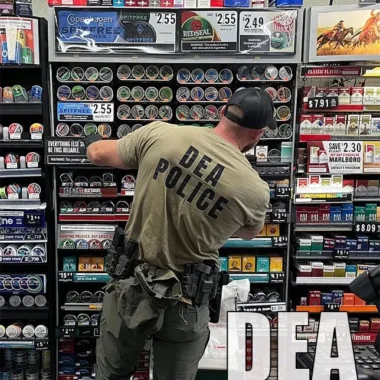
The United States Postal Service (USPS) has made a significant move against the illicit e-cigarette market by banning Demand Vape, a major New York-based distributor, from using its mail services. This decision follows evidence that the company was shipping illegal, unauthorized e-cigarette products that also violated local flavor bans. The action highlights a broader federal crackdown on the multi-billion dollar vaping industry.
This development, spurred by the New York City Law Department, marks a pivotal moment in the ongoing effort to control the flow of unauthorized vaping products across the country. For consumers and retailers, it signals a major shift in how e-cigarette products are distributed and regulated. This article will break down the specifics of the USPS ban, the reasons behind it, and what it means for the future of the vaping industry in the United States.
The Crackdown on Illicit E-Cigarette Shipments
The core of the issue lies with product authorization. In the United States, all e-cigarette products require authorization from the Food and Drug Administration (FDA) to be legally marketed and sold. Currently, only 39 specific e-cigarette products have received this crucial authorization.
According to a Reuters report, the USPS took action against Demand Vape after discovering the company was shipping products that lacked the necessary FDA approval. Emma Rumney, the Reuters journalist who broke the story, stated, “Illicit e-cigarettes lack authorization from the U.S. FDA, which is a requirement for these products to be sold legally on the U.S. market.”
In a letter dated July 15, the USPS officially informed Demand Vape that its exception for mailing privileges had been revoked. This move effectively cuts off a primary distribution channel for the company, significantly impacting its operations.
Why Did the USPS Ban Demand Vape?
The ban stems from two primary violations:
- Shipping Unauthorized Products: The main driver for the ban was the distribution of e-cigarettes that have not been approved by the FDA. With tens of thousands of vaping products on the market, the small number of authorized items means the vast majority are technically illegal.
- Violating Flavor Bans: The investigation also found that Demand Vape was shipping flavored products to jurisdictions where they are prohibited, such as New York City. This directly undermines local public health regulations aimed at curbing youth vaping.
The USPS is now reportedly reviewing the mailing privileges of other distributors as part of a wider initiative to tighten restrictions on the industry. This suggests that the action against Demand Vape may be the first of many, signaling a more aggressive enforcement posture from federal agencies.
Demand Vape’s Response
Demand Vape has pushed back against the USPS’s decision, stating that it complies with all relevant laws and is challenging the revocation of its mailing rights. The company argues that it operates within a “regulatory gray area.”
In a statement, Demand Vape highlighted the discrepancy between the limited number of FDA-authorized products and the high demand from American consumers. The company claims that the current regulatory framework is insufficient to meet market needs. “We strongly object to any characterization of Demand Vape as an opaque, illicit, or disreputable business,” the company declared. As of the report, the USPS had not responded to requests for comment on the matter.
This defense points to a broader conflict within the industry. Many distributors feel caught between strict regulations and strong consumer demand for a wide variety of vaping products, particularly flavored options that dominate the market but largely lack FDA authorization.
What This Means for the Vaping Industry
The USPS ban on Demand Vape is more than just an isolated incident; it represents a potential turning point for the U.S. vaping market.
For distributors and retailers, this action serves as a stark warning. Relying on the shipment of unauthorized products has become an increasingly risky business model. Other distributors may soon face similar bans, leading to significant supply chain disruptions for vape shops and online retailers that sell these products.
For adult vapers, the availability of certain products may become limited, especially if their preferred brands are among those lacking FDA authorization. While the market is currently saturated with flavored disposable vapes, this federal action could begin to shrink the variety available through legal channels. The long-term goal of federal regulators is to steer the market exclusively toward the 39 authorized products, which are primarily tobacco-flavored e-cigarettes.
Our Verdict
The USPS’s decision to ban Demand Vape from its services is a clear signal that federal regulators are intensifying their enforcement efforts against the illegal e-cigarette market. This move directly targets the supply chain that has allowed unauthorized and flavored products to flourish, despite years of regulatory warnings.
While companies like Demand Vape operate in a complex and often confusing regulatory environment, the legal requirement is clear: products sold in the U.S. must have FDA authorization. The argument that consumer demand justifies the sale of unauthorized products is unlikely to hold up against federal law.
Adult consumers may find their choices narrowing in the near future as this crackdown continues. The vaping industry is being pushed toward a more tightly controlled market, and distributors who fail to adapt to this reality will likely face consequences similar to those imposed on Demand Vape.